Trekking
Kilimanjaro and safari: planning a mountain-to-plains journey
Route choice, acclimatisation and recovery time for a rewarding climb-and-safari holiday.
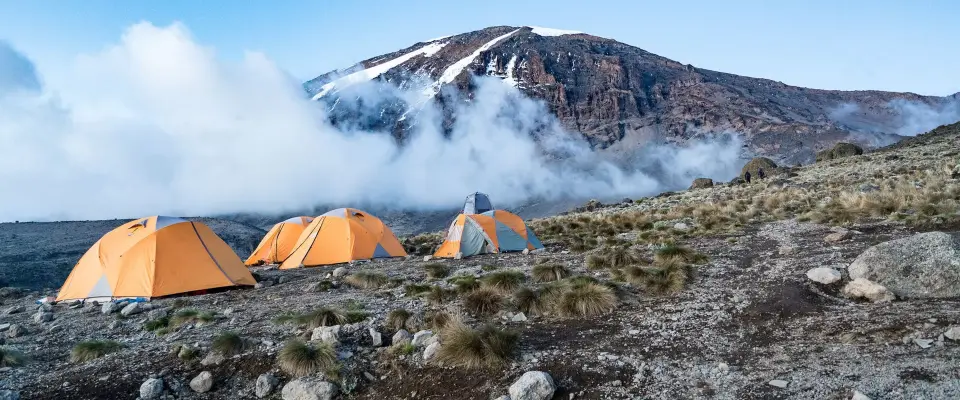
Combining Kilimanjaro with a Tanzania safari gives you two very different adventures in one journey. The mountain demands preparation, patience and respect for altitude; the safari offers time to recover while exploring wildlife landscapes. A thoughtful schedule helps both parts feel enjoyable rather than exhausting.
Choose your climbing route for acclimatisation
Kilimanjaro reaches 5,895 metres at Uhuru Peak. Popular routes include Machame, Lemosho, Marangu and Rongai, with different scenery, sleeping arrangements and ascent profiles. Route names alone do not tell the full story: compare the number of days, overnight elevations and opportunities to acclimatise.
A longer itinerary generally allows more time to adjust, but no route guarantees summit success. Altitude illness can affect fit travellers too. Discuss your health and travel plans with a qualified medical professional, and choose a climbing team with clear safety procedures.
Prepare for changing conditions
The climb passes through several ecological zones, from forest to alpine terrain. Conditions can shift from warm walking weather to freezing temperatures and wind near the summit. Layered clothing, broken-in boots, rain protection and a suitable sleeping system matter more than packing a large number of items.
Ask for the operator's equipment list and clarify which items can be rented. Train with regular walking and hills while carrying a day pack, and arrive rested. Fitness helps with the effort, but it does not replace gradual acclimatisation.
Put recovery time into the itinerary
Many travellers climb first and then take a safari, allowing the wildlife portion to be less physically demanding. Include a rest day after the descent where possible, with time to sleep, reorganise luggage and wash clothing. If you prefer to safari first, still allow enough time to start the climb rested.
Road travel can be tiring after several nights on the mountain. Tell your safari planner you are coming from a trek so the first transfer and accommodation can be chosen with recovery in mind.
Check the practical details before departure
Confirm mountain inclusions, guide and porter arrangements, emergency procedures, luggage storage and your safari pickup point. Insurance should explicitly cover trekking at the intended altitude and any relevant evacuation arrangements. A climb-and-safari holiday is best planned as a connected journey, with realistic time between each stage and no pressure to reach the summit at the expense of safety.
Travel conditions, wildlife movements and availability vary. Confirm current arrangements for your dates with Avocet before booking.