Wildlife & nature
The Great Migration: a Serengeti travel guide
Follow the rhythm of the herds, from the southern plains to the northern river country.
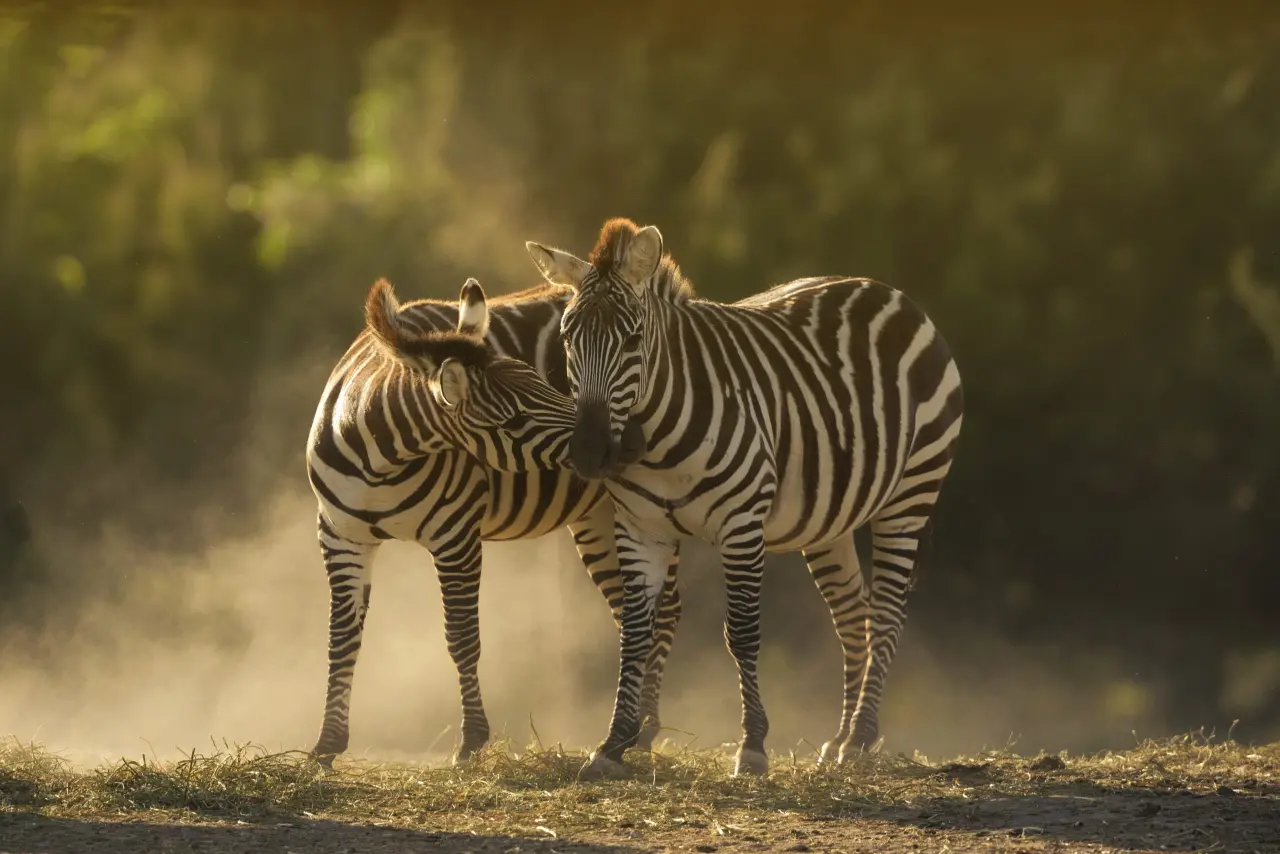
The Great Migration is not a single event. It is a continuing movement of wildebeest, zebra and other grazing animals through the Serengeti–Mara ecosystem, shaped by rainfall and fresh grass. A well-planned migration safari puts you in the right broad region while accepting that nature never follows a timetable.
The southern plains and calving season
Around January to March, herds often spread across the short-grass plains of the southern Serengeti and Ndutu. This period is associated with calving and remarkable predator activity. The open landscape is excellent for observing interactions, but each game drive is different and sightings cannot be promised.
Accommodation location makes a real difference. Staying near the southern plains reduces the time spent driving to likely herd areas. Your guide can choose routes using current conditions rather than relying only on the previous day's sightings.
Movement through the central and western regions
As rainfall and grazing patterns change, herds typically move through parts of the central and western Serengeti. The western corridor and Grumeti area can become important around the middle of the year, but the sequence and timing vary. The central Serengeti also supports resident wildlife even when the main herds are elsewhere.
Northern Serengeti and river crossings
The northern Serengeti is often the focus from roughly July to October, when herds may reach the Mara River. A crossing can happen suddenly after hours of waiting, or not happen at all during your stay. Avoid choosing your whole holiday on a promise of a crossing; the surrounding wildlife and scenery are part of the experience.
Several nights in one region usually work better than a rushed day trip. Patience gives your guide time to respond to herd movement, weather and animal behaviour without pressure to chase a particular scene.
Plan a responsible migration safari
Keep a respectful distance from wildlife and never ask a driver to block an animal's path. A quiet vehicle and patient observation are better than crowding. Bring binoculars, spare camera batteries and sun protection, and ask which Serengeti region your accommodation actually serves before booking.
Travel conditions, wildlife movements and availability vary. Confirm current arrangements for your dates with Avocet before booking.